
Any drive could be a little more special with a panoramic sunroof. It lets natural light flood in, gives passengers a better view, and creates a more spacious interior. However, all that glass can also reflect a lot of heat and glare on a hot, sunny day in South Australia. This is why many car owners are interested in panoramic sunroof tint. While a good film can transform a less than ideal camper into a more enjoyable ride, is it safe for your vehicle? Does any window tint work on panoramic roofs? Let's consider the benefits, potential risks, and what to watch for when investing in a film.
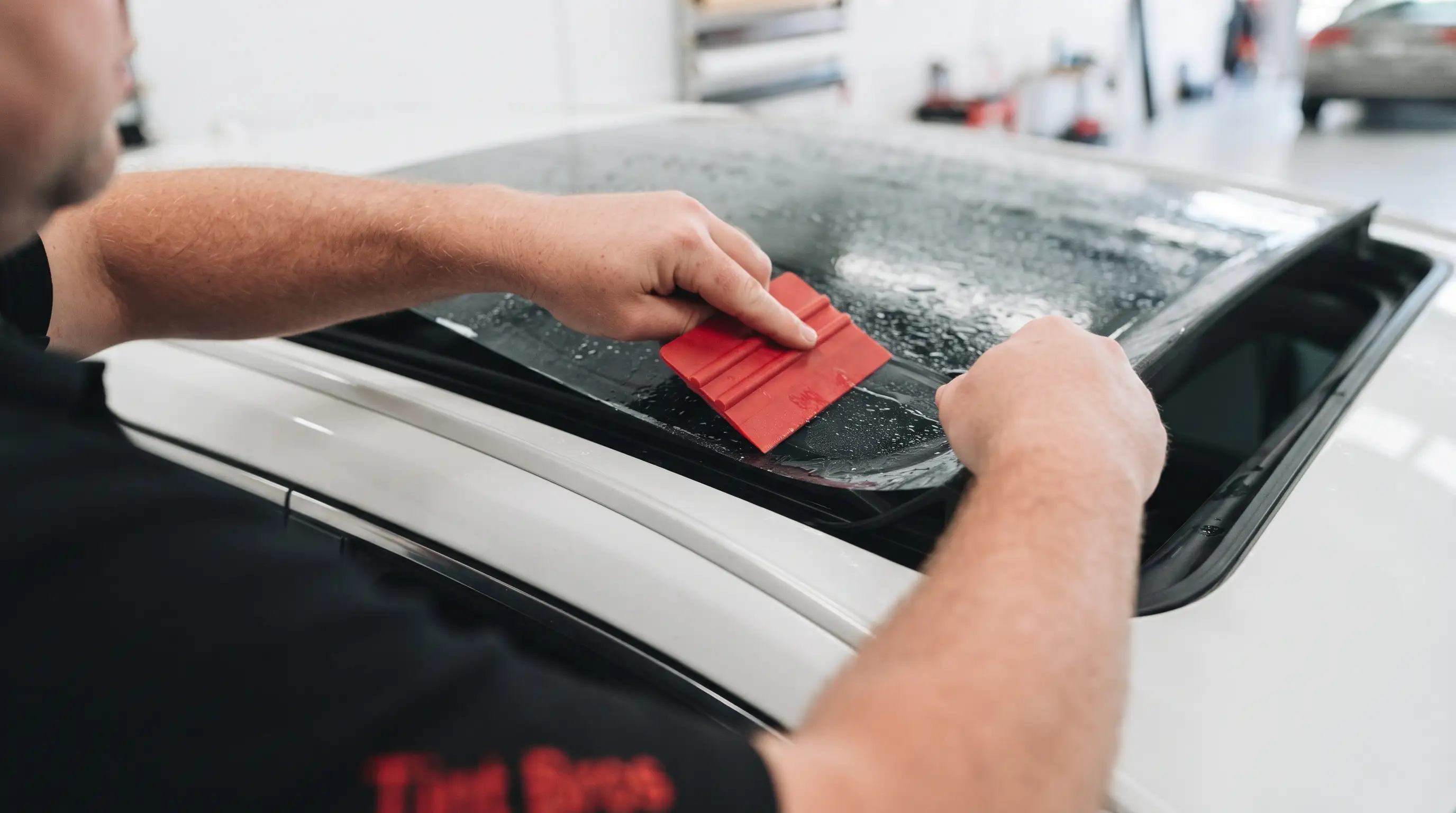
The example based on the Tint Bros Brighton Client:
A family that lives in Somerton Park drives an SUV with a panoramic roof on a regular basis. The children don't like the sun on the roof when they are running to school. The car is also warmed up when leaving it outside during the daytime. The owner Hashim asks an installer to inspect the roof glass, factory coatings, and sunshade, rather than choosing the darkest film available. They consider appropriate film choices and make comparisons within the parameters before picking a suitable film. The family selects the most appropriate film for the car and then applies the factory sunshade when the sun is really hot. The important lesson? Take time to select the proper tint. A minimal assessment beforehand can help forestall issues later on.
You Can Tint a Panoramic Sunroof?
Yes, numerous sunroofs are available for tinting. But it's not like tinting the side or rear windows of your vehicle. Roofs like this, which cover the entire roof area, can be constructed from different types of glass, factory coatings, and integrated features. Others come with sliding parts, a sensor, or a motorized sunshade. This information is a consideration when picking a film. It's best to verify the vehicle manufacturer's recommendations and confirm the tint is compatible with the roof glass before installing it on a sunroof. Don't choose based on color or price; a professional assessment can help you determine the right film for your vehicle.
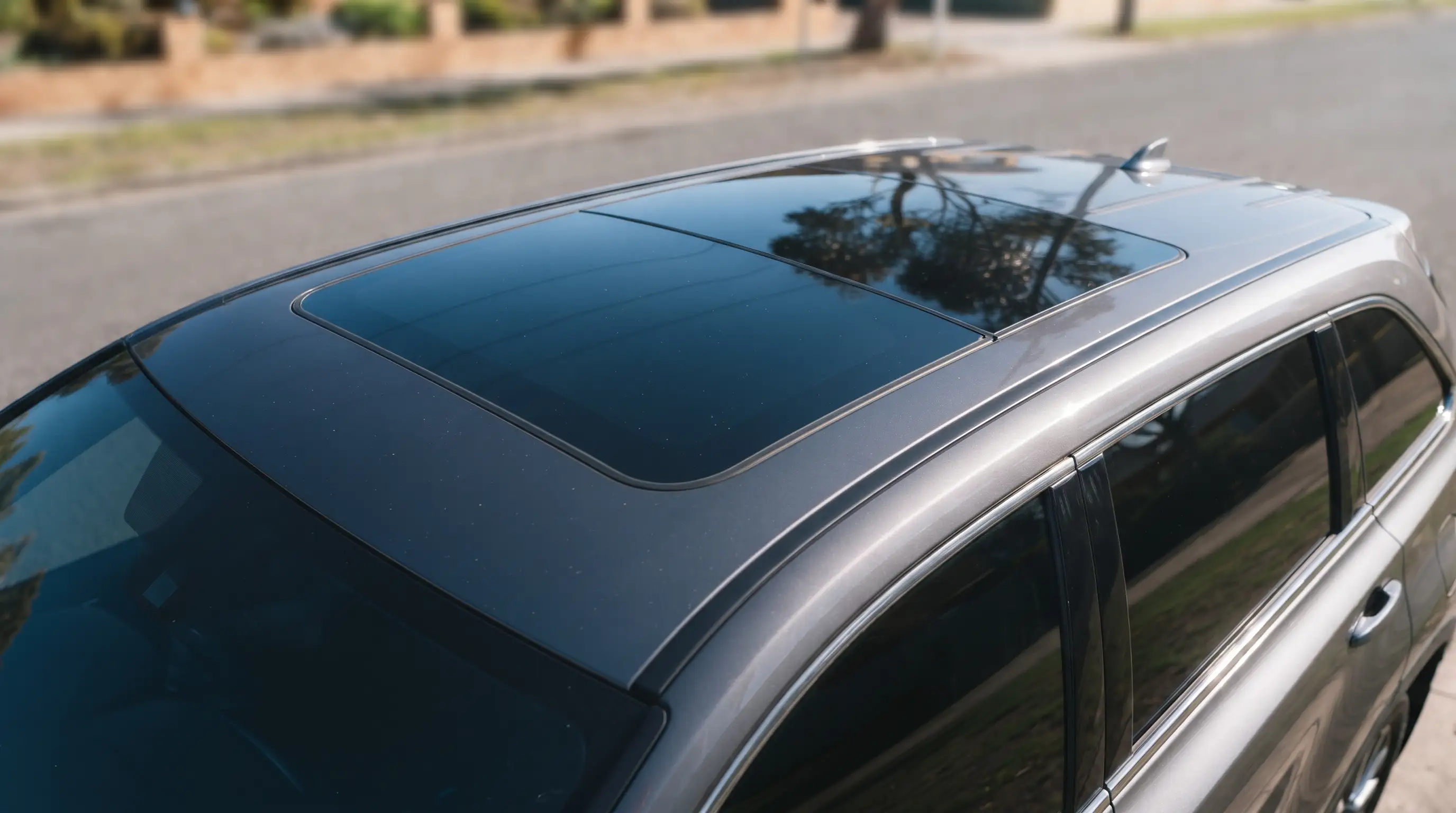
So what are the benefits of having a panoramic sunroof tint?
Comfort is the most common reason drivers cite for using sunroof tinting or having tinted roofing on their cars. Sometimes, the cabin can be very warm and bright from direct sunlight penetrating a large glass roof, especially when parked outdoors. Choosing the right film to install will help minimize the amount of solar energy that flows through the glass. It can also help reduce the discomfort for passengers in bright daylight. Some of the benefits are the following:
- Minimized glare: Soothes intense sunlight glare through the roof.
- UV protection: Quality automotive films can provide a high level of protection against harmful UV rays, effectively protecting passengers and automotive materials.
- Enhanced comfort: Reducing solar heat entering through the roof can make sunny journeys more pleasant.
- Polished appearance: The optimal color can help the glass roof look uniform and polished.
Naturally, this depends on the film quality, the original glass, and even the car's vintage. Tint helps regulate the sunlight but will not stop a car from getting hot.
Are there risks to tinting a Panoramic Sunroof?
There can be, particularly if the wrong film is installed or installation conditions aren't considered. This leaves panoramic roofs that are sometimes very large in direct sunlight instead of shade. The inappropriate film can change the absorption or distribution of heat within the glass. That's why it is crucial to check the glass compatibility. Before proceeding, some points should be verified:
- Glass compatibility: Make sure the film is suitable for your particular roof glass.
- Existing Coatings: Some factory tints or special film coatings should be considered when choosing the film to use.
- Heat performance:Beware of a single standout infrared rejection number. Inquire about the film's overall solar performance.
- Installing roof sections: When installing sliding roof sections, ensure the film must not interfere with staple components like sliding panels, seals, drainage channels, or the factory sunshade.
- Warranty information:Review the vehicle recommended by the manufacturer and the film's warranty before installation.
Before starting work, the roof glass needs to be evaluated to see if it is chipped, damaged, or does not allow for after installed film. A good installer should explain any concerns rather than recommending tint automatically.
Which Film Is Best? When it comes time to install sunroof glass
Ceramic tint is another option for sunroofs if you're interested in the tint film's ability to manage heat. Ceramic film is engineered to control solar energy without using a highly reflective metallic surface finish. But not all ceramic films are suitable for all panoramic roofs. The product's specifications and suitability for the vehicle's glass are what really matter. Tint Bros Brighton offers a variety of automotive films such as Suntek CXP, SolarGard Ion Ceramic, Rayno S9 Phantomand Ultrafit VS Signature. The specifications for these options are published up to 99% UV rejection, with variations between products regarding infrared rejection. The numbers here reflect the film's claimed performance and are not guarantees of cabin temperature reduction. In comparing films, look at:
- UV rejection and solar heat performance.
- Visible light transmission and the finish you prefer.
- Compatibility with your panoramic roof.
- Advice on product warranty and installation
The Darkest film might not be the best film, after all. Selecting the right product for your glass is far more crucial.
Is roof tinting allowed in South Australia?
If you are planning to get panoramic roof tinting, you should check the regulations applicable to your car beforehand. There are VLT and reflectance limits for vehicle glazing under South Australian vehicle tinting requirements. Government guidance recommends that the visible light transmission of coated windows be 35% or higher, with visible reflectance limited to 10% through the glass and film. These requirements will depend on the type of glazing, though. The rules for front-side windows don't necessarily apply to a panoramic roof. When in doubt, check the Government window tint laws and ask your tint shop to confirm what applies to your car.
Final Takeaway
You shouldn't have to deal with too much sunlight or glare from a panoramic sunroof. After all, it should improve your driving experience, rather than make it harder. Having the right panoramic tint on your car will make for a more comfortable and pleasant ride while also controlling UV penetration; however, it is important to select a film that can be installed on the panoramic roof and to get a competent tinting film assessment. If you reside in Brighton, Somerton Park, or the surrounding Adelaide area, discuss film rating categories with Tint Bros Brighton. Cars are also unique, so have them evaluated and quotedfor the roof to see if it's in a safe condition before you buy.