
You got your car windows tinted and hoped they would make the interior cooler, but it doesn’t seem to have helped the steering wheel or seats! Ah, so now that I have tinted my car, is it still hot? Window film can help reduce the heat that comes through the windows, but it doesn’t eliminate all heat sources or cool a car in a split second when it is parked in the sun. Parking conditions, installation quality, and film choice in Brighton and Melbourne’s bayside suburbs affect the results. Below are seven possible causes and action steps.
A Customer Story from Brighton
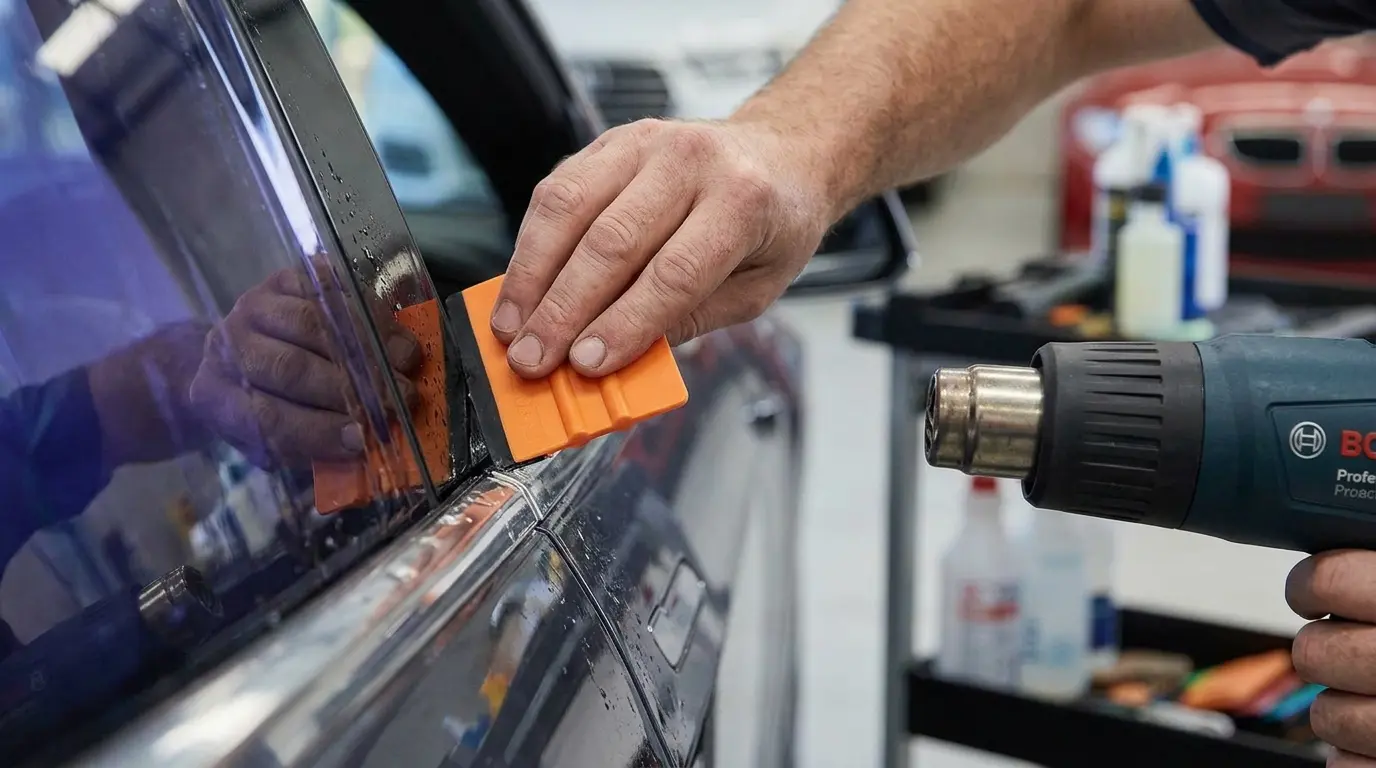
Sid who recently had the side windows of his car tinted. After spending an afternoon driving around, he was pleased with how cool the car felt. However, the following sunny day, he noticed that the seats were still hot and began to worry that the window tint wasn’t working properly. During a follow up conversation, the installer explained that the rear windscreen had been exposed to direct sunlight and that the car had been parked outside for several hours. Before deciding to upgrade his existing windscreen film, Sid discussed the matter with his friend, checked the heat-rejection rating of the film currently installed, and made a note of its specifications. This highlights the importance of understanding the circumstances before jumping to conclusions about window tint performance. The film may be working perfectly well, and other factors, such as prolonged sun exposure and the temperature inside the car, may be contributing to the heat.
1. The tint prioritizes privacy over heat rejection
Some films don’t work the same way. If you want to maintain privacy, you could choose a dark film that does not reduce heat. However, if the tint is visible, that doesn’t indicate how much solar energy it reflects. Ask about tested performance figures, including total solar energy rejected (TSER), rather than choosing by shade alone. Consider comfort, visibility, appearance and legal requirements together.
2. The film has limited heat-rejection performance
Will window tint diminish car heat? Yes, but it varies with the product and specifications. A low-quality dyed film can help eliminate unwanted luminous reflections and provide privacy; a high-quality dyed film can provide higher solar control. You may want to inquire about Ceramic tint heat rejection, as good ceramic films don’t need to absorb much of the UV spectrum. This isn’t consistent and needs to be tested, so ask for the manufacturer’s data and what each number measures.
3. Untinted glass still lets sunlight in
Side window tint offers increased comfort near doors, but it can still let light through the windshield, panoramic roof, and/or any other untreated glass surfaces. A large glass roof also contributes to solar exposure, even if the side windows have tint applied. For each glass area, ask a professional what they believe is legal. Tinted windows have different restrictions and visibility requirements depending on their position around the house. Each window tint visibility and restriction varies by window position, and windscreens have additional restrictions.
4. The car is parked in the direct sunlight for some hours
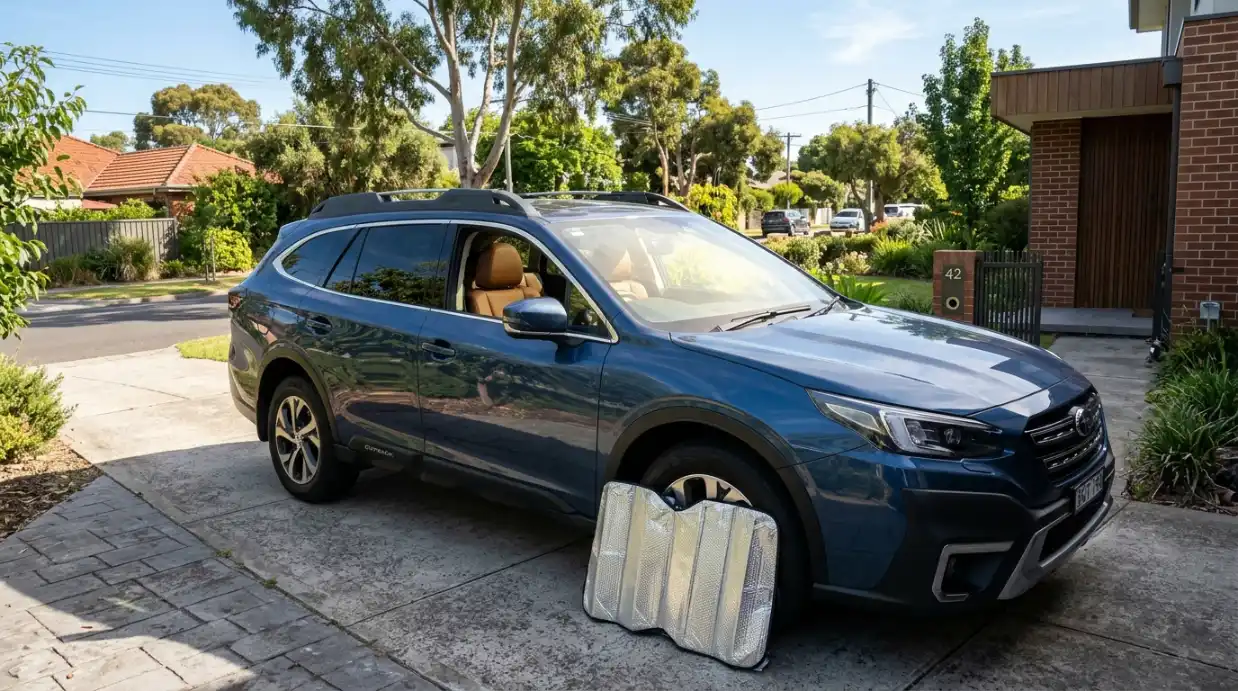
Tint does not take out the greenhouse effect. The sun’s heat is transmitted to the dashboard and seats, which then transfer it inside. These surfaces may still be hot after a few hours out in the sun. Park if possible, in shade or under cover. A reflective wind screen sunshade will help block direct sunlight on the dashboard, and opening the cabin before driving will help expel heat. These steps are in addition to, and not an alternative to, tint.
5. Air conditioning needs maintenance.
Window film doesn’t help lower cabin temperature; the air-conditioning system does. If it isn’t, it could be due to a blocked cabin filter or a need for service, and regardless of the tint, the car can still be uncomfortable. If it’s safe, open the windows briefly to let the hot air escape, then turn on the air conditioning. If it is blowing hot air or takes longer to cool the cab, have a qualified automotive service provider inspect it.
6. The film is new or not installed well
After curing, the new film may have water pockets or haziness. Good heat rejection does not automatically mean poor heat rates, and often curing time alone explains all hot-cabin complaints. Product expectations may not be met, and gaps and installation defects may contribute to this dissatisfaction. Follow the installer’s aftercare instructions, and do not clean the glass after the installer-recommended time period. If you notice defects or think you may have the wrong film, check the product specifications and artistry, and ask the installer to review.
7. Your expectations are unrealistic
While tint effectively lowers solar heat gain, weather, vehicle type, window tint, car color, glass surface area, parking conditions, and air-conditioning performance also influence how much heat can be kept out. Steer clear of claims that a vehicle will remain “cold” through and through. A good installer can discuss the film’s advantages and disadvantages and differentiate between its performance and its visual aspects.
How to choose tint for better heat control
If it isn’t reaching the level of darkness you intended, the brand and specifications of your car window tint may be the problem. Discuss Victorian Legislation, explain the terms TSER and infrared in context, confirm the windows are treated, and outline the legal requirements. Tips and tricks should cover not only color, but also the vehicle, driving style, budget, and how you want your vehicle to look. Tint Bros Brighton is a good starting point for exploring options suited to your car and Melbourne. Ask questions for product information, warranty and aftercare before booking in.
Final takeaway
If you have any questions about why your car doesn’t seem to cool down after tinting, it may be the film, the glass hasn’t been treated, the sun’s conditions, the air conditioning, or a misunderstanding of how car tints work. Consider heat rejection, legality, and your vehicle’s overall setup. Talking to a professional installer can help you discuss what is feasible for drivers in Brighton and Melbourne’s bayside areas and set clear expectations.